
WhatsApp: +86 156 6573 6726

Located in Africa, Mali has a hot climate and complex road conditions. The HOWO TX Swing Arm Garbage Truck is specially designed with a high-strength chassis and suspension system for Mali's environment. With a high ground clearance, it can adapt to harsh road conditions such as deserts and dirt roads, ensuring stable operation of the vehicle under frequent start-stop and heavy load conditions.
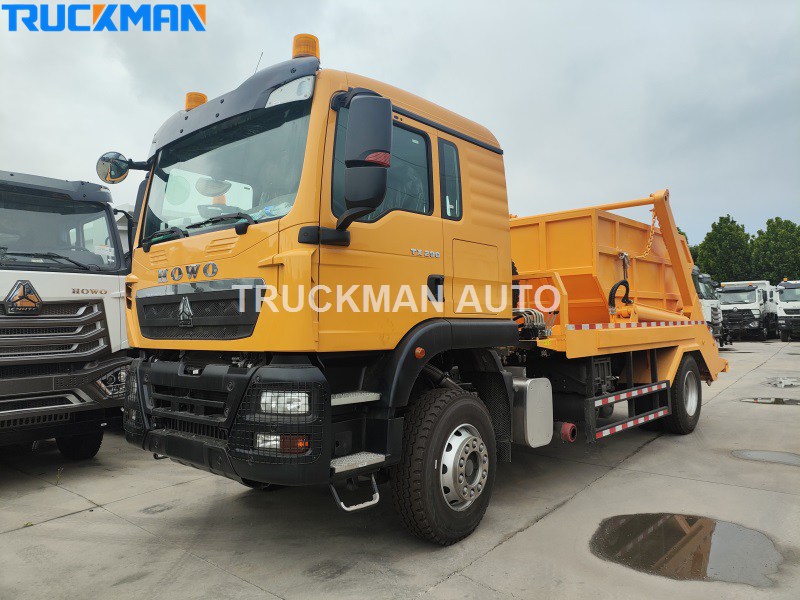
The cargo box of the HOWO TX mini garbage truck can be manufactured according to the user's needs, such as a 5-cubic-meter cargo box, an 8-cubic-meter cargo box, a 10-cubic-meter cargo box, etc. The HOWO TX mini garbage truck can quickly collect and transport garbage, making it suitable for the centralized garbage collection needs of cities and communities in Mali, significantly reducing operating costs and improving the efficiency of sanitation work.
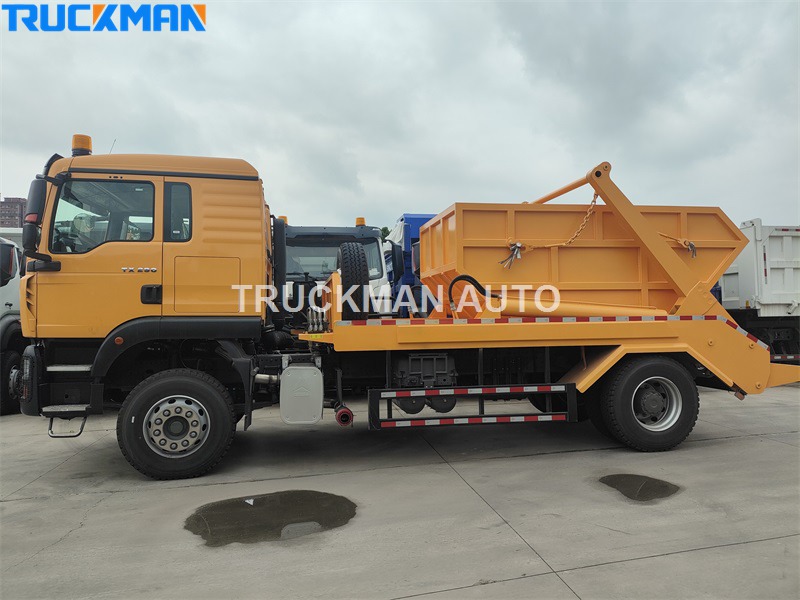
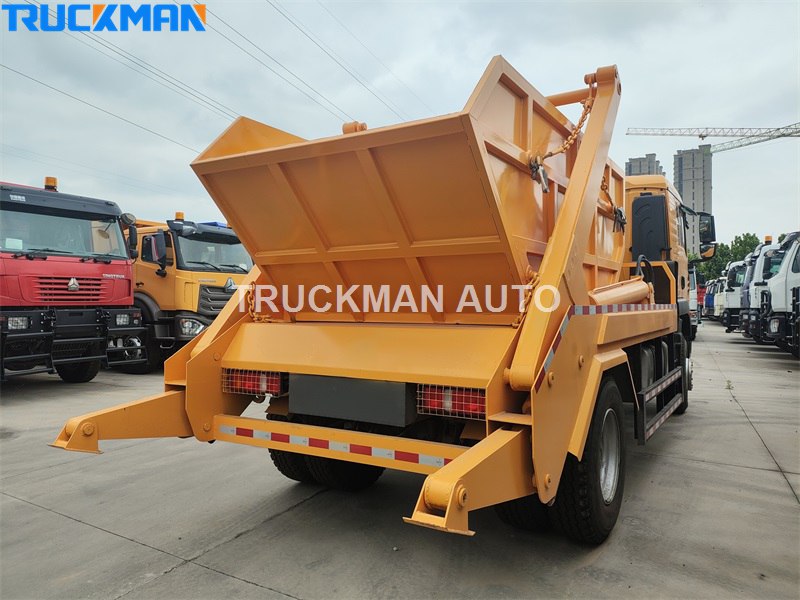
The HOWO TX garbage truck is equipped with a hydraulic swing-arm system that executes movements smoothly and precisely, allowing for the effortless lifting of standard waste bins or bulk refuse. The entire operation can be performed by a single individual, thereby reducing labor requirements and keeping user operating costs low. Furthermore, the HOWO TX supports a "one vehicle, multiple bins—cyclic transport" operational mode; a single truck can be paired with multiple waste bins, sequentially collecting and transporting bins from various collection points. This approach minimizes empty runs and vehicle waiting times, making it an ideal solution for centralized waste removal scenarios in urban communities, townships, and rural villages.
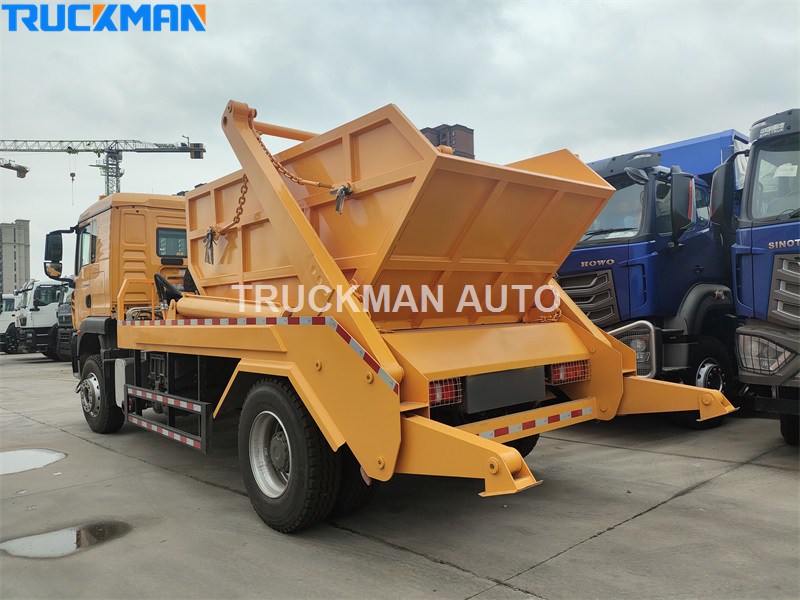
The HOWO TX swing-arm mini garbage truck combines features such as high operational efficiency, rugged durability, eco-friendly sealing, and ease of operation, making it suitable for a wide range of waste collection scenarios—including urban sanitation, residential communities, and industrial parks. Compared to similar products from Europe, the US, or Japan, the HOWO TX offers a more accessible price point while maintaining stable, reliable quality and low maintenance costs; this makes it an ideal choice that aligns well with Mali's economic landscape and municipal budgetary constraints.
JINAN TRUCKMAN AUTOMOBILE CO.,LTD. was located in Jinan city, Shandong province, established in year 2018. TRUCKMAN as China's top truck dealer was founded in 2010, the truck brands sold are SINOTRUK, SHACMAN, FOTON, BEIBEN etc famous brands, the products mainly cover heavy duty dump truck, heavy duty tractor truck, heavy duty cargo truck, water tanker truck, fuel tanker truck etc. Some special vehicles, e.g. garage trucks, sewage trucks, all-wheel drive truck, etc.


Scan the QR code and use WhatsApp to talk!

Contact Person: Eric GAO
WhatsApp: +86 15665736726
Tel & Fax: +86 531 8591 3883
E-mail: info@truckmanauto.com
Add: No.2566 Qizhou Road, Huaiyin District, Jinan 250000, China
