
WhatsApp: +86 156 6573 6726
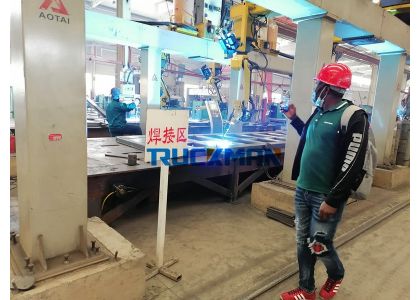
Robotics is increasingly used in the welding industry. Dump truck, as a common means of transporting construction materials, its welding link is crucial to the quality of dump truck cargo body. The application of robot welding technology in the welding process of dump trucks can not only improve the welding quality, but also reduce production costs, this article will introduce you to the relevant information of robot welding technology.
1. Introduction To Robotic Welding Technology
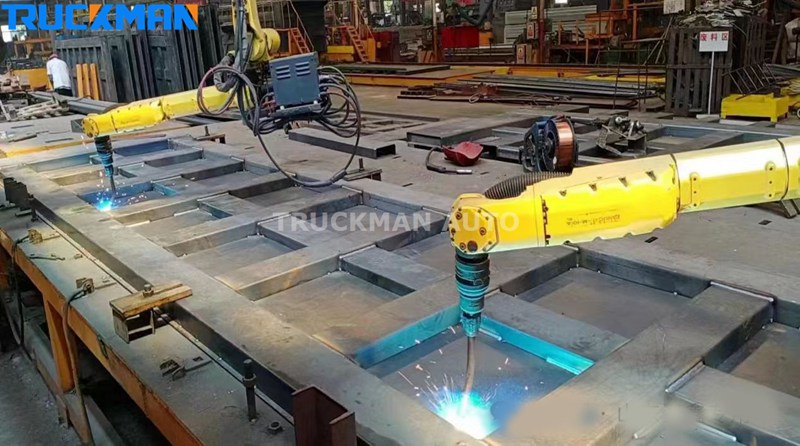
It refers to the use of welding robots to replace manual welding operations. This technology integrates advanced computer control, sensor technology and mechanical engineering technology, and is capable of realising high-precision, high-efficiency and high-quality welding processes. Compared with traditional manual welding, robotic welding has many advantages such as stable operation, good welding quality consistency, high degree of automation, and strong personal safety and security.
2. Advantages Of Robotic Welding Tech
In the manufacturing process of dump truck cargo body, welding is one of the key processes, and its quality directly affects the carrying capacity and service life of the whole vehicle. The application of robot welding technology in the manufacture of dump truck cargo body mainly has the following advantages:
a. High-precision positioning: through precise trajectory planning, the robot is able to ensure that every welding is accurate, which greatly improves the welding accuracy.
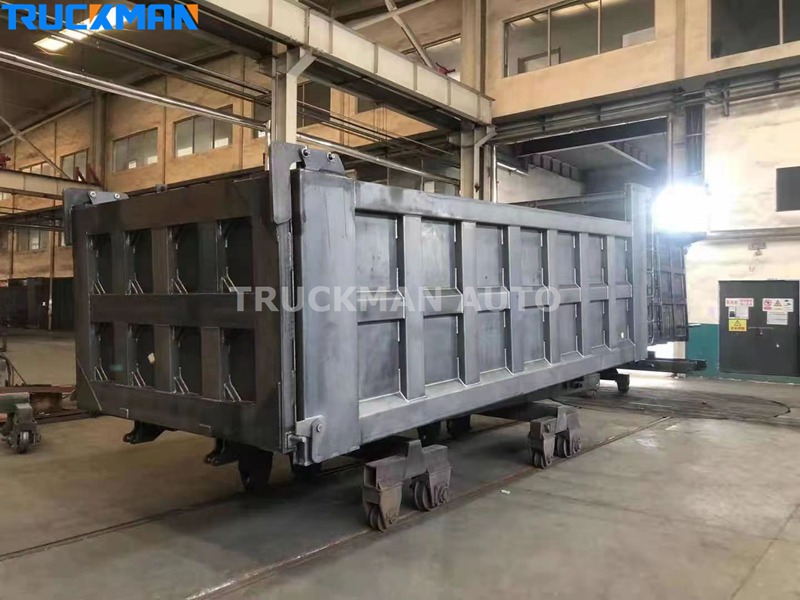
b. Stable quality: robot welding is not affected by human factors, welding parameters can be precisely controlled, thus ensuring the stability of welding quality.
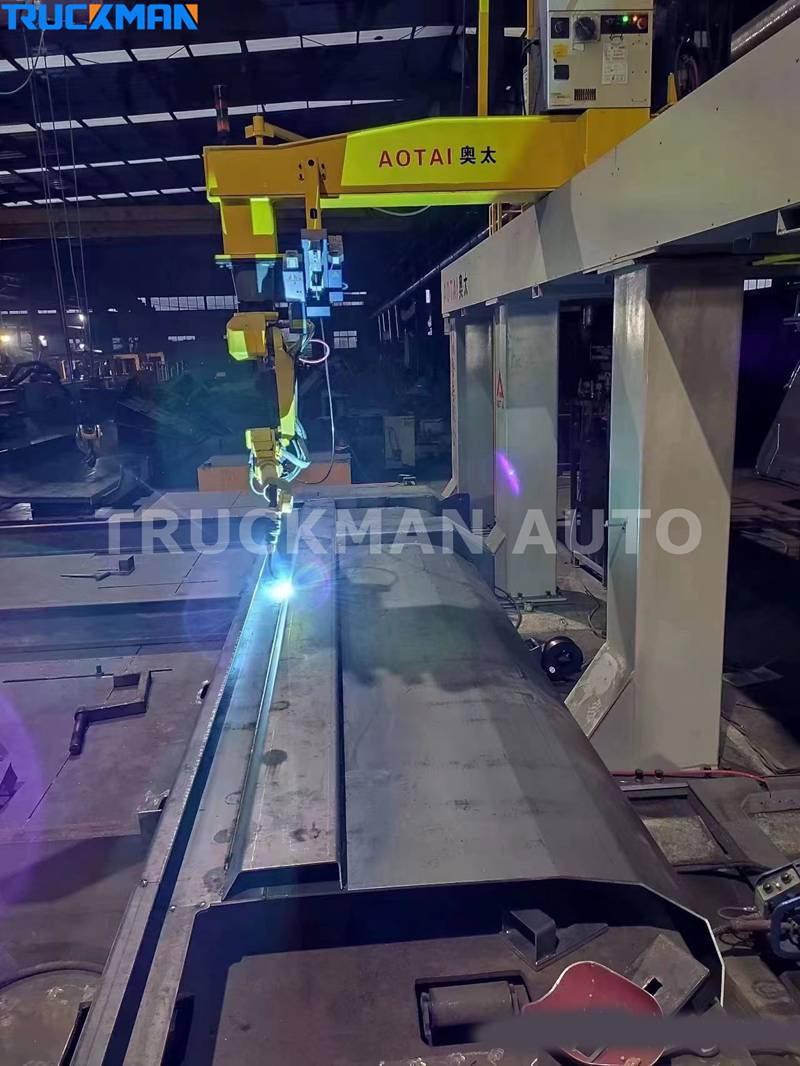
c. Efficiency: Compared with traditional manual welding, robot welding is faster and more efficient, which can significantly shorten the production cycle.
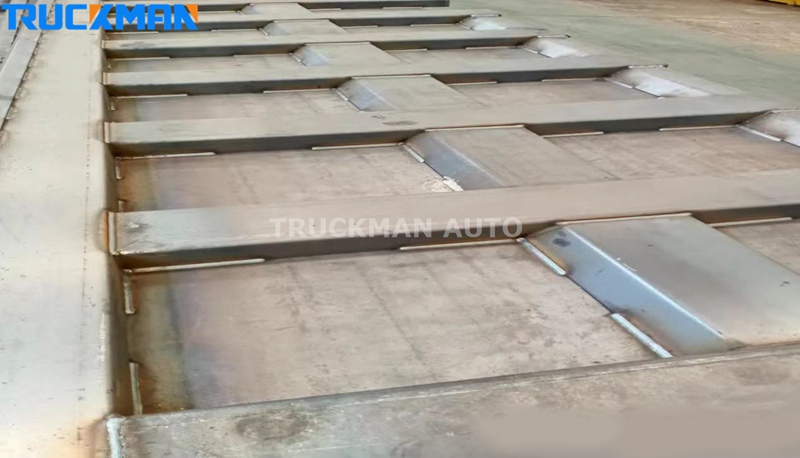
d. Cost reduction: By reducing the involvement of manpower, it reduces the cost of manpower, and at the same time, it reduces the scrap rate caused by human factors, thus reducing the production cost.
JINAN TRUCKMAN AUTOMOBILE CO.,LTD. was located in Jinan city, Shandong province, established in year 2018. TRUCKMAN as China's top truck dealer was founded in 2010, the truck brands sold are SINOTRUK, SHACMAN, FOTON, BEIBEN etc famous brands, the products mainly cover heavy duty dump truck, heavy duty tractor truck, heavy duty cargo truck, water tanker truck, fuel tanker truck etc. Some special vehicles, e.g. garage trucks, sewage trucks, all-wheel drive truck, etc.


Scan the QR code and use WhatsApp to talk!

Contact Person: Eric GAO
WhatsApp: +86 15665736726
Tel & Fax: +86 531 8591 3883
E-mail: info@truckmanauto.com
Add: No.2566 Qizhou Road, Huaiyin District, Jinan 250000, China
