WhatsApp: +86 186 1569 3883


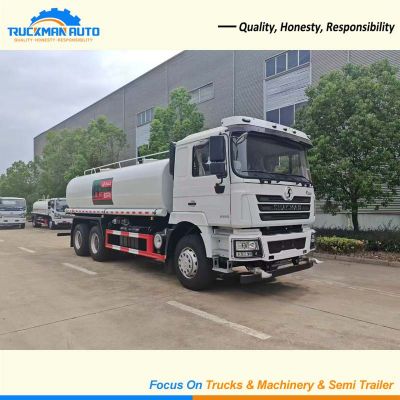
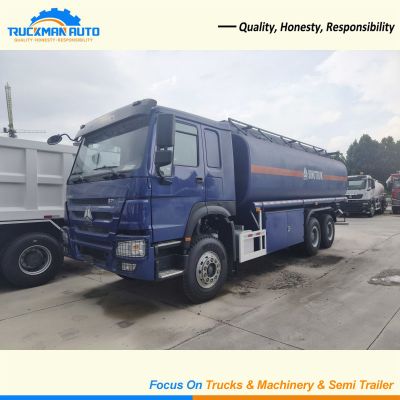
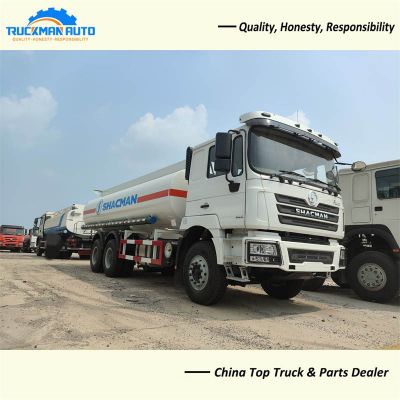
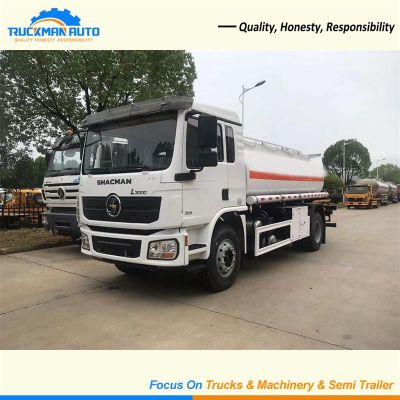
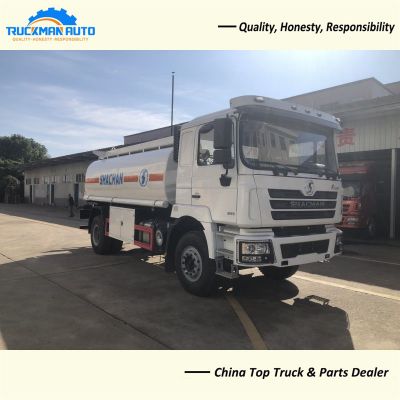
The SHACMAN fuel tanker truck is mainly used to transport gasoline, diesel and other refined oil products. It is suitable for refueling at urban gas stations or centralized fuel supply in industrial areas.
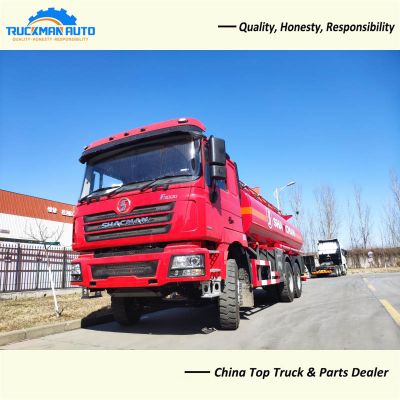
About 20000L SHACMAN F3000 6X4 380HP Fuel Tanker Truck
The 20,000L fuel tanker truck uses the SHACMAN F3000 mid-length flat-top cab, boasting a sturdy structure and excellent visibility. Equipped with a WEICHAI WP10 series engine and a FAST transmission, it offers efficient power output, excellent climbing and high-speed performance, smooth shifting, and high reliability. The 20,000L fuel tanker truck uses 16-ton dual-stage rear axle, providing stable braking performance and adaptability to heavy-load transport.

20000L SHACMAN F3000 6X4 380HP Fuel Tanker Truck Specification
Engine: WP10.380E22, 380HP. Euro 2
Cabin: F3000 middle long cabin,with one bed, A/C
Gearbox: 10JSD180+QH50, 10F & 2R, with PTO, manual gearbox
Drive Axle: 16 ton MAN double bridge
Tire: 12R22.5, 10+1 pcs
Fuel Tank Body: 20000L
Dimension: 10300x2490x3330mm
20000L SHACMAN F3000 6X4 380HP Fuel Tanker Truck specification only for your reference, we can manufacture other model fuel tanker truck basic your request.
20000L SHACMAN F3000 6X4 380HP Fuel Tanker Truck Tank Body
SHACMAN fuel tanker trucks typically have an elliptical or circular tank body. This shape effectively disperses the pressure of the liquid on the tank walls, enhancing structural stability. SHACMAN fuel tanker trucks are typically constructed of steel or aluminum, and the interior is typically coated with an anti-corrosion paint to prevent rust. SHACMAN fuel tanker trucks are equipped with internal wave shields to reduce turbulence during transportation and improve transport stability.

20000L SHACMAN F3000 6X4 380HP Fuel Tanker Truck Engine
The SHACMAN F3000 fuel tanker truck uses a 380-horsepower WEICHAI engine, which boasts high torque and powerful power, making it suitable for heavy-duty transport. This engine utilizes advanced combustion technology and a fuel injection system to optimize fuel economy, reduce fuel consumption, and lower operating costs. This engine is adaptable to diverse operating conditions and environments, including high temperatures, extreme cold, and high altitudes.


JINAN TRUCKMAN AUTOMOBILE CO.,LTD. was located in Jinan city, Shandong province, the truck brands sold are SINOTRUK, SHACMAN, FOTON, BEIBEN etc famous brands, the products mainly cover heavy duty dump truck, heavy duty tractor truck, heavy duty cargo truck, water tanker truck, fuel tanker truck etc. Some special vehicles, e.g. garage trucks, sewage trucks, all-wheel drive truck, etc.


Scan the QR code and use WhatsApp to talk !


Contact Person: TRUCKMAN Official
WhatsApp: +86 18615693883
Tel & Fax: +86 531 8591 3883
E-mail: info@truckmanauto.com
Add: No.2566 Qizhou Road, Huaiyin District, Jinan 250000, China